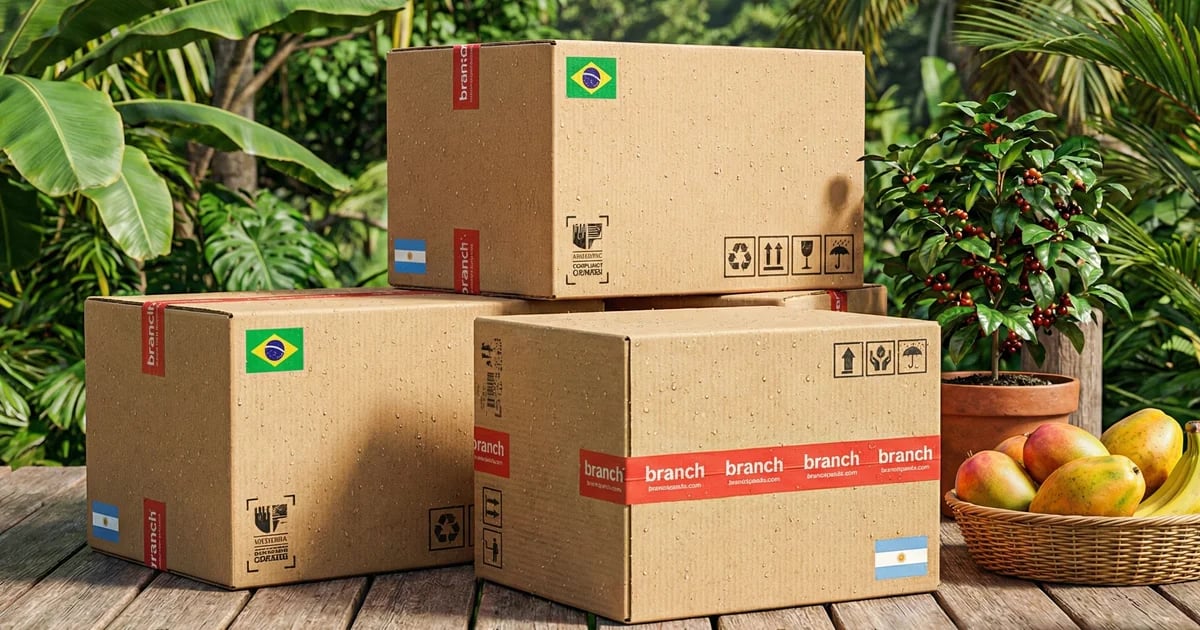
A comprehensive packaging guide for Turkish exporters targeting South America. INMETRO certification, IRAM standards, tropical climate-resistant corrugated packaging solutions, and Mercosur-compliant packaging requirements.
South America: A Growing Market with Demanding Packaging Conditions
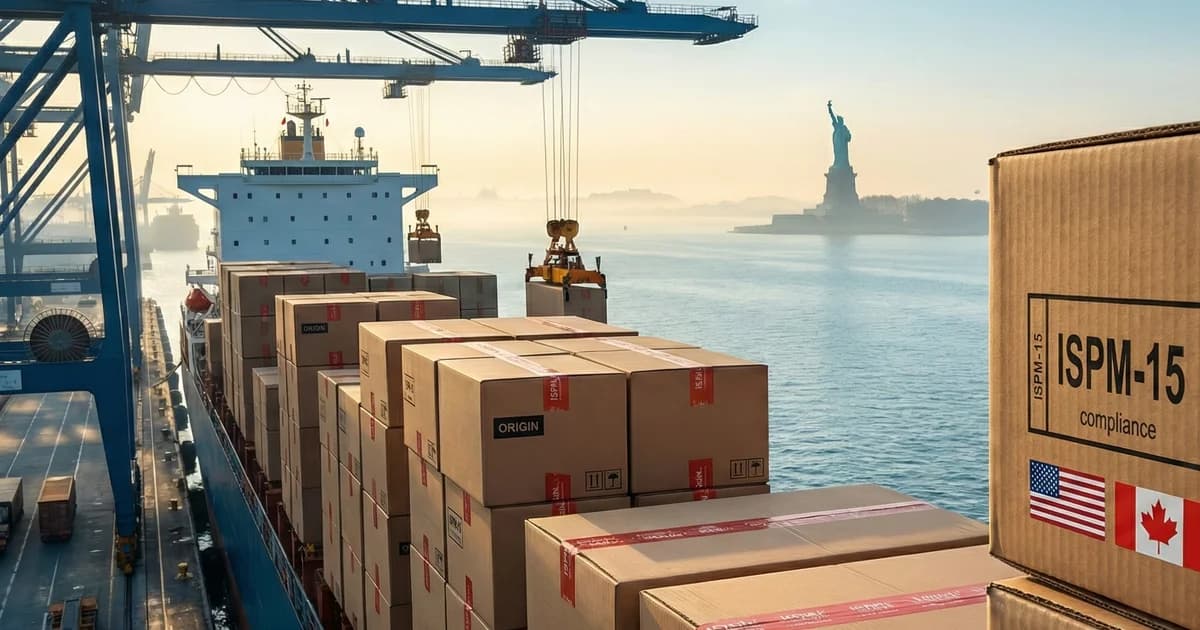
South America represents a growing market for Turkish exporters. Countries like Brazil and Argentina show increasing demand for Turkish products across sectors from textiles to machinery. However, long sea routes and tropical climate conditions put your packaging through a serious test. Maritime shipping from Turkey to Brazilian or Argentine ports takes over 30 days, during which packaging must withstand humidity, temperature fluctuations, and stacking pressure.
On top of that, both countries have distinct certification requirements, labeling obligations, and customs procedures. Incorrect or inadequate packaging can cause customs delays, additional costs, and even the return of your goods.
Why Packaging Is Critical for South American Exports
- Long maritime distances: Average transit time from Turkey to Santos (Brazil) or Buenos Aires (Argentina) is 30 to 40 days.
- Tropical and subtropical climate: Much of Brazil lies within the tropical zone. High humidity continues to affect packaging during storage after arrival.
- Strict import procedures: Both countries enforce rigorous inspections on product safety, labeling, and packaging standards.
- In-container condensation: "Container rain" caused by temperature fluctuations directly damages packaging materials.
Brazil: INMETRO Certification and Import Requirements
INMETRO Certification
INMETRO (Instituto Nacional de Metrologia, Qualidade e Tecnologia) is Brazil's national metrology and standards body. Key points:
- Local representative requirement: A company based in Brazil must be appointed as authorized representative.
- Accredited testing body: Product samples must be tested by an INMETRO-accredited body.
- Periodic audits: Certified products are subject to audits every 6, 9, or 12 months.
- Packaging marking: The INMETRO approval mark must be visible on both product and packaging.
Customs Duties
Brazil applies the Mercosur Common External Tariff. Average tariff for non-agricultural products from non-Mercosur countries is approximately 12%, ranging from 0% to 35% depending on category.
Portuguese Labeling Requirements
Products imported into Brazil must include information in Portuguese: product name, country of origin, manufacturer or importer details, and net weight or quantity.
Argentina: IRAM Standards and Regulatory Framework
IRAM Certification
IRAM (Instituto Argentino de Normalizacion y Certificacion) is Argentina's national standardization body. A key advantage: IRAM certification holds both national and Mercosur-wide validity.
- "Sello IRAM" mark: Products with IRAM conformity can carry this recognized mark.
- Mandatory safety mark: Compliant products must display the official "S" safety symbol.
- Packaging material registration: All packaging materials must be approved and registered.
Customs Tariffs and Additional Taxes
- Customs tariff: Most industrial goods from non-Mercosur countries fall in the 5-14% range.
- VAT (IVA): Ranges from 10.5% to 21%.
- Statistics fee: An additional 3% statistics fee applies.
Spanish Labeling Requirements
Product packaging for Argentina must include information in Spanish: product name, country of origin, quality information, net weight, and importer details.
Tropical Climate: The Greatest Challenge for Corrugated Board
Engineering Solutions Against Moisture
- Water Resistant Adhesives (WRA): Maintain bond strength in humid conditions, preventing delamination.
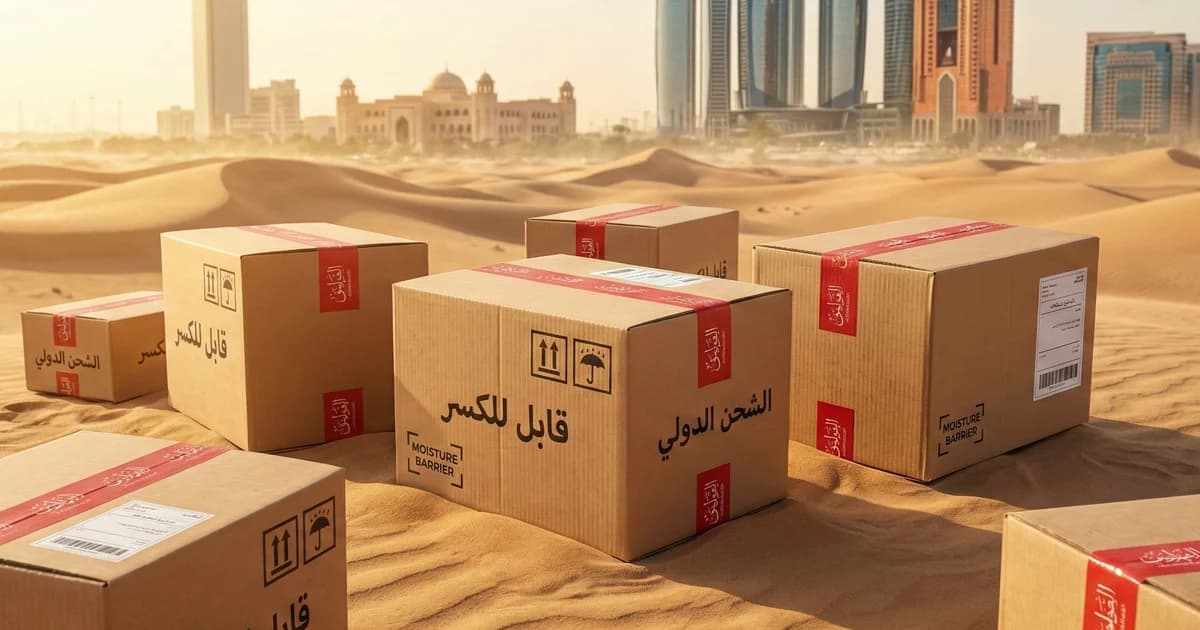
- Moisture barrier coatings: Prevent water from penetrating the cardboard structure.
- Proper flute selection: B-flute for general use, BC-flute for heavier products.
- ASTM D4332 testing: Test under simulated tropical conditions (40C, 90% humidity).
Logistics Challenges: Long Sea Routes and Container Rain
In-Container Condensation
"Container rain" results from temperature fluctuations during maritime transport. An estimated 10% of global shipments are damaged by this phenomenon. Corrugated board, being hygroscopic, absorbs surrounding moisture, gradually reducing compression strength.
Stacking Pressure
During 30+ day transit, bottom-tier boxes bear prolonged weight. Solutions include:
- Higher ECT (Edge Crush Test) values
- Humidity-factored stacking height calculations
- Desiccant packets inside containers
- Air circulation gaps in container loading
The Corrugated Advantage for South American Exports
- ISPM-15 exemption: Corrugated boxes are exempt — no heat treatment or fumigation needed.
- Lightweight: Significantly lighter than alternatives, reducing freight costs over long distances.
- Customizable strength: Flute type, paper grammage, adhesive, and coating options allow precise tuning.
- Print quality: Offset printing provides professional brand presentation in the target market.
Benefits of Mercosur-Compliant Packaging
- Multi-market access: One standard set covers Brazil, Argentina, Uruguay, and Paraguay.
- Faster customs: Harmonized standards mean fewer issues at customs.
- Cost optimization: Single packaging design instead of country-specific variations.
- IRAM cross-border validity: Argentine IRAM certification recognized across Mercosur.
Packaging Checklist for South American Exporters
- Research target country regulations: INMETRO for Brazil, IRAM for Argentina.
- Verify labeling language: Portuguese for Brazil, Spanish for Argentina.
- Enhance moisture resistance: Use WRA adhesives and moisture barrier coatings.
- Select the right flute type: Match to product weight and transit distance.
- Calculate stacking strength: Ensure adequate ECT for 30+ day humid transit.
- Apply ASTM D4332 testing: Simulate tropical conditions.
- Plan in-container moisture control: Desiccant packets and air circulation.
- Leverage ISPM-15 exemption: Use corrugated to avoid extra certification costs.
- Evaluate Mercosur compliance: Single certification for multiple markets.
- Optimize freight costs: Minimize packaging weight for long-distance shipping.
Choose the Right Packaging Partner for Your Exports
At MFS Ambalaj, the vast majority of our production since 2011 has been dedicated to serving exporters. We have accumulated significant experience in durable packaging solutions for markets that demand long shipping distances and challenging climate conditions, such as South America.
Our offset-printed corrugated boxes, manufactured with moisture barrier treatments and water-resistant adhesives, protect your products safely even during weeks-long maritime shipping. We also provide R&D support for optimizing dimensions, materials, and durability tailored to your specific product.
The positive feedback we receive from our export clients' overseas buyers proves that the right packaging builds not only protection but also brand trust.
Contact us for your export packaging needs:
- Phone: +90 332 345 43 03
- Email: info@mfsambalaj.com
- Web: mfsambalaj.com/contact
Get in touch for a packaging solution tailored to your product and target market — we will prepare a custom quote for you.